
GPT-5.5 Prompting Guide: How to Write Better Prompts
A practical guide to prompting OpenAI's GPT-5.5. Learn about outcome-first prompts, stopping conditions, preambles, and formatting controls.
ChatGPTGPT-5.5OpenAIPrompt EngineeringAI Best Practices

A practical guide to using OpenAI Codex more effectively, covering prompting, AGENTS.md setup, configuration, MCP integrations, skills, automations, and common mistakes to avoid.

You open Codex, type a vague prompt, and get a messy result. You tweak it, try again, and still feel like you're fighting the tool instead of using it. Sound familiar?
The problem usually isn't the model. It's that Codex works best when you treat it like a teammate, not a one-shot search engine. That means giving it real context, teaching it your standards, and building up reusable instructions over time.
This guide covers the core habits that make Codex faster and more reliable, whether you're using the CLI, IDE extension, or the Codex app.
Codex can handle rough prompts, but a structured one gives you much more consistent results, especially in large codebases.
A solid prompt includes four things:
Also match the reasoning level to the task:
| Reasoning Level | When to Use |
|---|---|
| Low | Fast, well-scoped tasks |
| Medium/High | Complex changes or debugging |
| Extra High | Long, multi-step agentic tasks |
If you're in the Codex app, try speech dictation instead of typing out long prompts.
For anything ambiguous or multi-step, ask Codex to plan before it writes a single line.
Plan mode is the easiest option. It lets Codex gather context, ask questions, and build a plan first. Toggle it with /plan or Shift+Tab.
Ask Codex to interview you if you have a rough idea but aren't sure how to describe it. Tell Codex to challenge your assumptions and turn a fuzzy concept into something concrete.
Use a PLANS.md template for longer workflows where you want Codex to follow a structured execution plan each time.
Once you find a prompting pattern that works, stop typing it manually every time. That's what AGENTS.md is for.
It's a plain text file that loads into Codex automatically. Put your project standards, commands, and expectations there once, and Codex will follow them every session.
A good AGENTS.md should cover:
You can scaffold a starter file using the /init command in the CLI, then edit it to match how your team actually works.
File hierarchy example:
~/.codex/AGENTS.md          # Personal global defaults
your-repo/AGENTS.md         # Shared team standards
your-repo/src/AGENTS.md     # Subdirectory-specific rules
More specific files override broader ones. Keep it short and accurate. A concise file beats a long vague one every time.
When Codex makes the same mistake twice, ask it for a retrospective and update AGENTS.md with a new rule.
Good configuration means Codex behaves predictably across sessions without you having to repeat yourself.
Use this file structure:
~/.codex/config.toml              # Personal defaults
.codex/config.toml                # Repo-specific settings
$CODEX_HOME/profile-name.config.toml  # Profile overrides
In config.toml, you can define:
Approval mode controls when Codex asks your permission before running a command. Sandbox mode controls what files and directories the agent can read or write.
If you're just getting started, keep permissions tight. Only loosen them for trusted repos once you understand the workflow.
Don't just ask Codex to make a change. Ask it to verify the change too.
In AGENTS.md or your prompt, tell Codex to:
Use the /review slash command to review:
/review # Review options menuOptions include reviewing against a base branch, reviewing uncommitted changes, reviewing a commit, or using custom review instructions.
If you use GitHub Cloud, you can also set up Codex to automatically review every PR. At OpenAI, Codex reviews 100% of internal PRs.
MCP (Model Context Protocol) lets Codex pull live data from external tools so you stop copying and pasting information into prompts manually.
Use MCP when:
In the Codex app, go to Settings > MCP servers to browse and connect servers. You can also use the CLI:
codex mcp add --name "my-tool" --url "https://example.com/mcp"Start with one or two tools that remove a real manual loop you already do regularly. Don't wire everything in at once.
If you keep reusing the same prompt or correcting the same workflow, turn it into a Skill.
A Skill is a SKILL.md file that packages the instructions, context, and logic Codex should follow for a specific job. Skills work across the CLI, IDE extension, and the app.
Good candidates for skills:
File locations:
$HOME/.agents/skills/          # Personal skills
your-repo/.agents/skills/      # Shared team skills
Keep each skill focused on one job. Write the description clearly so Codex knows when to use it. Include the phrases a user would actually say to trigger it.
Use the $skill-creator skill to scaffold your first version, then iterate locally before sharing it as a plugin.
Once a workflow is reliable, schedule it to run in the background. In the Codex app, go to the Automations tab to set up recurring tasks.
For each automation you define:
Good automation candidates:
A useful rule: skills define the method, automations define the schedule. If a workflow still needs a lot of steering, make it a skill first. Then automate once it's predictable.
Each session accumulates context, decisions, and actions. Managing them well improves output quality over time.
Useful slash commands for session control:
| Command | What It Does |
|---|---|
/resume | Resume a saved conversation |
/fork | Branch from the current thread without losing history |
/compact | Summarize older context to free up space |
/agent | Switch between parallel agent threads |
/status | Check the current session state |
/experimental | Toggle experimental features |
Keep one thread per unit of work. Fork only when the problem truly branches into something different.
Use subagents for bounded subtasks like exploration or test writing, so your main agent stays focused on the core problem.
AGENTS.md1. Do I need a perfect prompt to get good results from Codex?
No. Codex handles rough prompts reasonably well. But structured prompts (goal, context, constraints, done-when) give more consistent and reviewable results, especially in large projects.
2. What is AGENTS.md and do I actually need it?
AGENTS.md is a plain text file that tells Codex how your project works. It loads automatically every session. If you work in the same repo regularly, yes, it is worth creating. It saves you from repeating the same instructions over and over.
3. What is the difference between a skill and an automation?
A skill packages how to do a task. An automation schedules when that task runs. Build the skill first, then automate it once it works reliably.
4. When should I use Plan mode?
Use it when the task is complex, ambiguous, or involves multiple steps. It lets Codex ask clarifying questions and build a plan before writing any code.
5. How tight should my sandbox and approval permissions be?
Start tight. Keep the defaults and only loosen permissions for specific repos or workflows once you understand what Codex is doing. This is especially important if you are new to coding agents.
6. Do I need MCP to use Codex effectively?
No. MCP is useful when the data or tools you need are outside the repo and change frequently. Start without it. Add MCP integrations only when they clearly remove a manual step you repeat often.
7. How do I share skills or AGENTS.md with my team?
Check them into the repository. Put AGENTS.md at the repo root and team skills in .agents/skills/ inside the repo. New teammates pick them up automatically when they clone the project.
8. How do I stop Codex from making the same mistake twice?
After a repeated mistake, ask Codex for a brief retrospective on what went wrong. Then add a new rule to AGENTS.md based on the real friction you experienced.
9. What is the best way to review changes Codex makes?
Use the /review slash command or the diff panel in the Codex app. You can review against a base branch, uncommitted changes, or a specific commit. If your team has a code_review.md file, reference it from AGENTS.md so Codex follows it consistently.
10. Should I use one long thread for a whole project or separate threads per task?
Use one thread per task, not per project. Keeping everything in one long thread bloats the context and leads to worse results. Fork a new thread when the work changes scope.
Tags
A practical guide to prompting OpenAI's GPT-5.5. Learn about outcome-first prompts, stopping conditions, preambles, and formatting controls.
A comprehensive developer's guide to migrating to OpenAI's GPT-5.5. Learn about the Responses API, reasoning parameters, and prompting shifts.

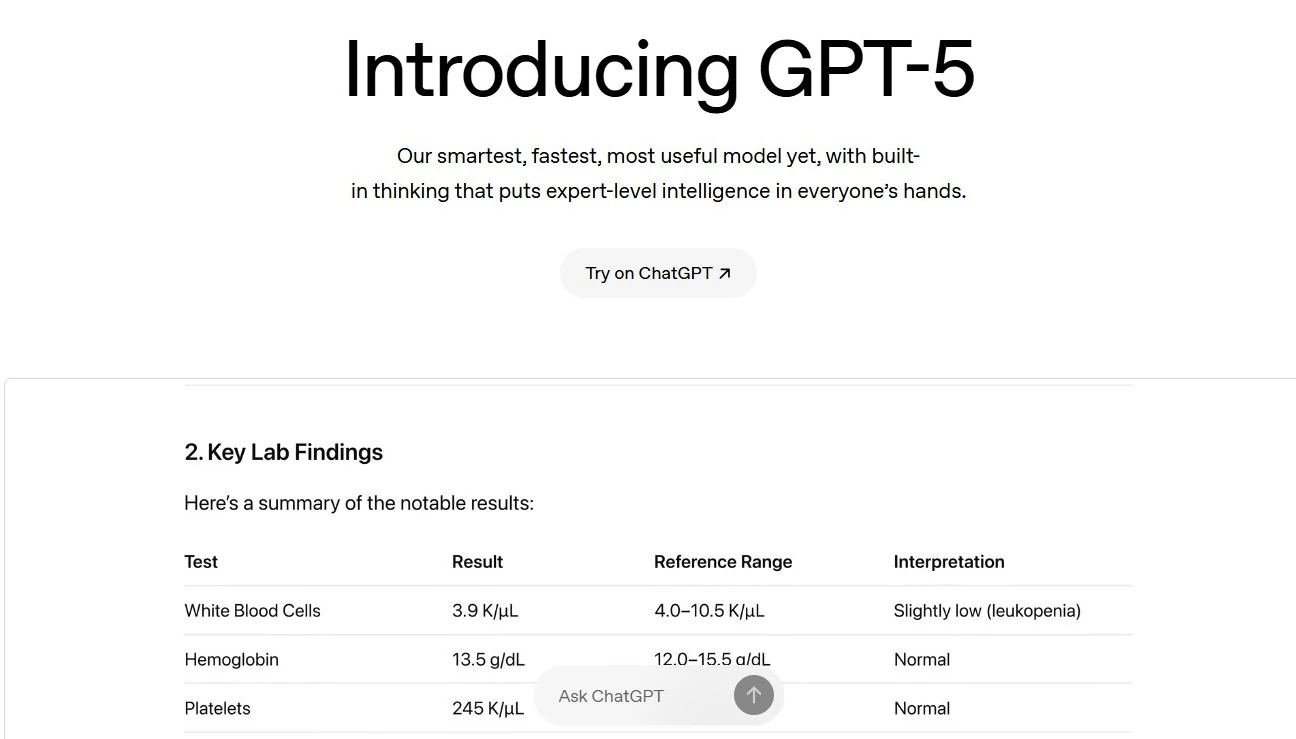
OpenAI has released GPT-5, a unified AI model with dynamic fast and deep reasoning, improved accuracy, SWE-bench coding upgrades, and 50% cheaper input pricing.
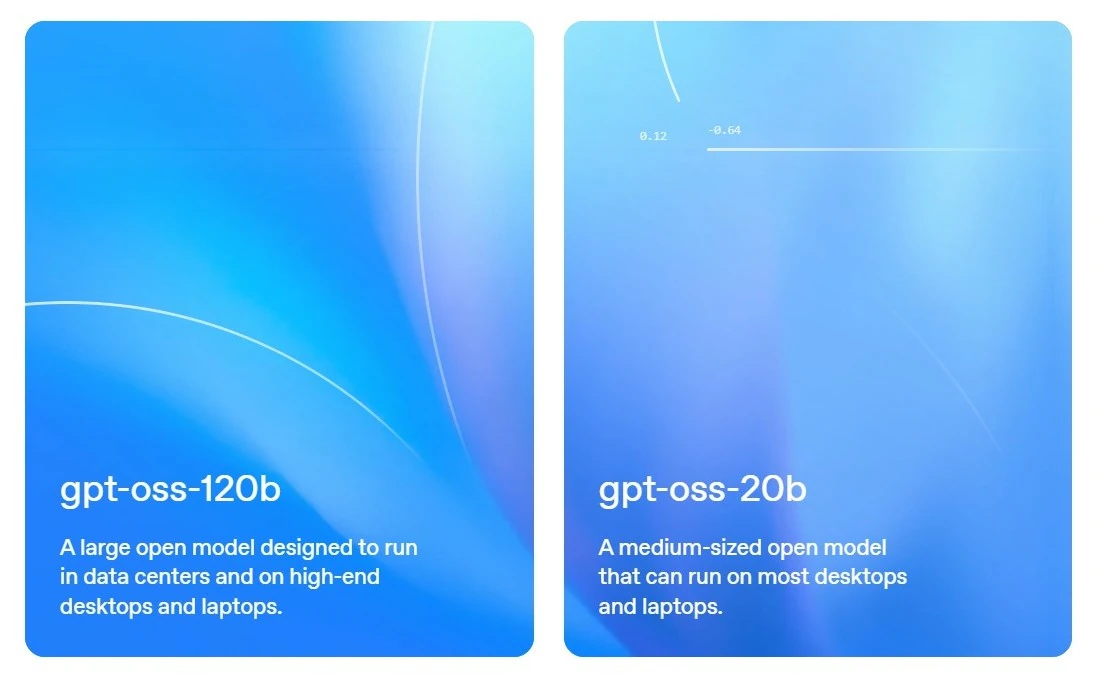
Explore OpenAI's GPT-OSS open-weight models. Learn about gpt-oss-120b & 20b, key features, Harmony response format, installation, and setup instructions.
Want to generate stunning AI art? Get 5 creative AI image prompt templates for ChatGPT and DALL-E 3, including 3D figurines, stickers, and comics.