How to Use AI as a Worldbuilding Partner for Your Fantasy Novel
Turn AI into a reliable worldbuilding partner for your fantasy novel with a world bible system, prompt templates, and tools that keep your lore consistent.
AIWorldbuildingFantasy Novel

How writers use AI as a brainstorming partner for characters, worldbuilding, and writer's block, without letting it write the story for you.

You open a blank page. The cursor blinks. You know your character needs to make a choice in chapter twelve, but every version you write feels flat. So you open ChatGPT or Claude, paste in a prompt, and out comes a paragraph that almost sounds like you but not quite.
This is the moment where a lot of writers go wrong. They either copy the AI's paragraph straight into their manuscript, or they swear off AI entirely because it felt like cheating. Both reactions miss the real opportunity.
There's a middle path that professional writers, teachers, and hobbyists are quietly adopting. It's called the human-in-the-loop method, and it treats AI as a sounding board, not a ghostwriter. You stay in charge of every sentence. The AI just helps you think faster.
Human-in-the-loop (HITL) is a term borrowed from machine learning. It describes a system where a person stays actively involved in decisions instead of letting automation run alone. Human-in-the-loop systems are built around the idea that AI handles scale and speed, while humans handle judgment, nuance, and taste.
Applied to fiction, HITL writing means:
Think of it like talking to a very well-read friend who never gets tired of your questions. They can throw out ten ideas for a plot twist, but you're the one who picks, reshapes, and writes it in your own words.
This distinction matters more than it sounds. Publishers and self-publishing platforms are starting to draw a hard line between AI-assisted writing and AI-generated writing. Platforms like KDP and IngramSpark now require disclosure when AI generates the actual book text, but brainstorming and editing support generally don't need to be disclosed.
It's tempting to just ask AI to "write chapter three." The output reads fine on the surface. So what's the problem?
It flattens your voice. AI models predict the most statistically likely next word. That tends to produce competent, generic prose, not the specific rhythm and word choices that make your writing yours.
It creates plagiarism risk. Asking AI to write "in the style of" a specific author can edge into problematic territory. As one writer-illustrator put it, prompting AI to mimic a particular person is not considered ethical use, since it can result in derivative or plagiarized content.
It gets rejected. Search engines and publishers are actively filtering out mass-produced AI text. Readers can usually tell too.
It short-circuits your growth as a writer. Every scene you skip by letting AI write it is a scene you didn't practice writing yourself.
The fix isn't avoiding AI. It's changing what you ask it to do.
Character work is one of the best uses of an AI sounding board because it's mostly interrogation, not prose generation. You're figuring out who someone is before you decide how they'd say something.
Instead of asking AI to write dialogue, ask it to interview your character or stress-test their motivations.
You are interviewing my character, Mira, a 34-year-old
smuggler pilot who lost her sister in a border raid.
Ask me 8 questions, one at a time, that a skeptical
journalist would ask to expose her true motivations.
Wait for my answer before asking the next question.
This forces you to answer in your own words, which is where the character's real voice gets discovered. You can also use AI to check for consistency:
Here are three scenes involving my character Mira
[paste scenes]. Point out any moments where her
behavior seems inconsistent with someone who is
guarded and distrustful of authority. Don't rewrite
the scenes, just flag the inconsistencies.
Notice the instruction "don't rewrite the scenes." That single line keeps the AI in feedback mode instead of ghostwriter mode. This is the core skill of human-in-the-loop prompting: telling the AI exactly where its job ends.
Writer's block usually isn't a lack of ideas. It's a fear of committing to the wrong idea. AI is useful here precisely because its suggestions are cheap and disposable. You can throw away nine bad options without any sunk cost.
Bloomsbury's CEO Nigel Newton has pointed out that AI can help people get past creative hesitation like writer's block, which may open up creative work to more people rather than replace it.
Some concrete ways to use AI when you're stuck:
Generate branching options, not finished text.
My protagonist just found out her mentor betrayed her.
Give me 5 different emotional reactions she could have
in the next 3 minutes of story time. One sentence each,
no dialogue, just the emotional beat.
Ask "what would break this scene."
Here's my scene setup: [paste setup].
What's the most boring, predictable way this scene
could go? List 3 cliché versions so I know what to avoid.
Use constraints to force new angles.
Rewrite the *idea* (not the prose) for this scene as if
it had to happen in under 2 minutes of story time,
in one location, with no dialogue allowed.
None of these prompts ask AI to produce your finished sentences. They ask it to widen the option space so you can choose faster.
Worldbuilding is where AI shines the most, because a lot of it is bookkeeping: tracking rules, checking consistency, and stress-testing logic. That's exactly the kind of task AI is good at, and it's separate from the creative writing itself.
Use AI to pressure-test your world's internal logic:
In my world, magic is powered by memories. Using a
memory-based spell erases that memory permanently.
List 5 unintended consequences this rule would create
in a society over 100 years. I'll decide which ones
to use.
Use it to check for consistency across a large amount of material:
Here are my notes on the Kaldeth Empire's political
structure [paste notes]. Are there any contradictions
in how succession, taxation, or military command work?
List them, don't fix them.
Use it to generate raw material you'll heavily edit, like naming conventions, minor NPCs, or background flavor text, the low-stakes filler that doesn't carry your authorial voice the way a protagonist's inner monologue does.
As your world grows, you'll want somewhere to store canon so you (and your AI sessions) stay consistent. A simple folder structure works better than one giant document.
story-bible/
├── characters/
│   ├── mira-voss.md
│   ├── kael-dun.md
│   └── minor-npcs.md
├── world/
│   ├── magic-system.md
│   ├── geography.md
│   ├── political-structure.md
│   └── timeline.md
├── plot/
│   ├── outline.md
│   ├── act-1.md
│   ├── act-2.md
│   └── act-3.md
└── ai-sessions/
    ├── character-interviews.md
    └── worldbuilding-logic-checks.md
Keeping AI brainstorming sessions in their own folder (ai-sessions/) instead of mixed into your actual manuscript is a small habit that reinforces the human-in-the-loop boundary. It's raw material, not finished text.
| Aspect | AI as Ghostwriter | AI as Sounding Board (HITL) |
|---|---|---|
| Who writes final sentences | AI | You |
| Voice consistency | Often generic | Stays yours |
| Disclosure requirements | Usually required | Usually not required |
| Risk of plagiarism-like output | Higher | Lower |
| Best use case | Fast, low-stakes filler text | Character work, plotting, worldbuilding logic |
| Effect on your skills | Can atrophy your craft | Sharpens your decision-making |
| Publisher acceptance | Increasingly restricted | Generally accepted |
Most professional writers who use AI responsibly land firmly in the right column. As one editor summarized her own process, she uses AI for feedback and a second opinion on sentences, but the editorial decisions and actual writing stay entirely her own.
A few habits keep your process clean:
Never ask AI to imitate a living author's style. This crosses from inspiration into imitation, which raises real plagiarism concerns.
Check the rules of wherever you publish. Magazines, writing contests, and platforms vary widely. The ethics of AI use in fiction mostly come down to how you use the tool, and brainstorming or editing help is generally considered fine, but you should confirm the specific venue's policy before submitting.
Keep a record of what you changed. If you ever need to show your process was human-led, having your ai-sessions/ notes separate from your manuscript history is useful evidence.
Remember AI has no memory of your intent. It doesn't know what your book is really about at a thematic level. That judgment call stays with you every time.
If you want a repeatable process rather than ad-hoc prompting, try this loop:
This keeps AI sessions short, purposeful, and clearly separated from your actual drafting time. The goal isn't to spend less time writing. It's to spend less time stuck.
The human-in-the-loop method isn't a compromise between "real writing" and "AI writing." It's closer to how writers have always worked, bouncing ideas off critique partners, writing groups, and editors, except now that sounding board is available at 2am when your writing group is asleep. The story, the voice, and the final sentences are still entirely yours.
1. Does using AI for brainstorming count as AI-generated content?
No, most publishing platforms distinguish between AI writing your text and AI helping you think. Brainstorming and feedback generally don't require disclosure.
2. Will AI detectors flag my manuscript if I used AI for character interviews?
Detectors check your actual prose, not your process. If you write every sentence yourself, there's nothing AI-generated for a detector to find, though these tools are known to be unreliable either way.
3. Can I ask AI to write in the style of my favorite author?
Avoid this. Prompting AI to imitate a specific living author's style raises real ethical and plagiarism concerns.
4. How is human-in-the-loop different from just using ChatGPT normally?
It's a mindset shift: every prompt is designed to produce options or feedback, never finished prose you'd paste directly into your manuscript.
5. Is it okay to let AI write minor filler, like a tavern menu or a background NPC's name?
Yes, low-stakes flavor text carries little authorial voice, so it's a reasonable place to let AI generate raw material you can still edit.
6. What's the best way to prevent AI from taking over a scene when I ask for feedback?
Add an explicit instruction like "don't rewrite this, just flag issues." That one line keeps the tool in feedback mode.
7. Should I disclose AI brainstorming use to a literary agent?
Policies vary by agent and publisher, so check their submission guidelines directly. Most only care about who wrote the final text.
8. Can AI help with worldbuilding without risking my story's originality?
Yes, especially for consistency checks and logic testing. Since you're the one deciding which suggestions to keep, the final world remains your creative work.
Tags
Turn AI into a reliable worldbuilding partner for your fantasy novel with a world bible system, prompt templates, and tools that keep your lore consistent.
AI hallucinations happen when models generate confident but false answers. Here's why it occurs and how to spot and reduce it.

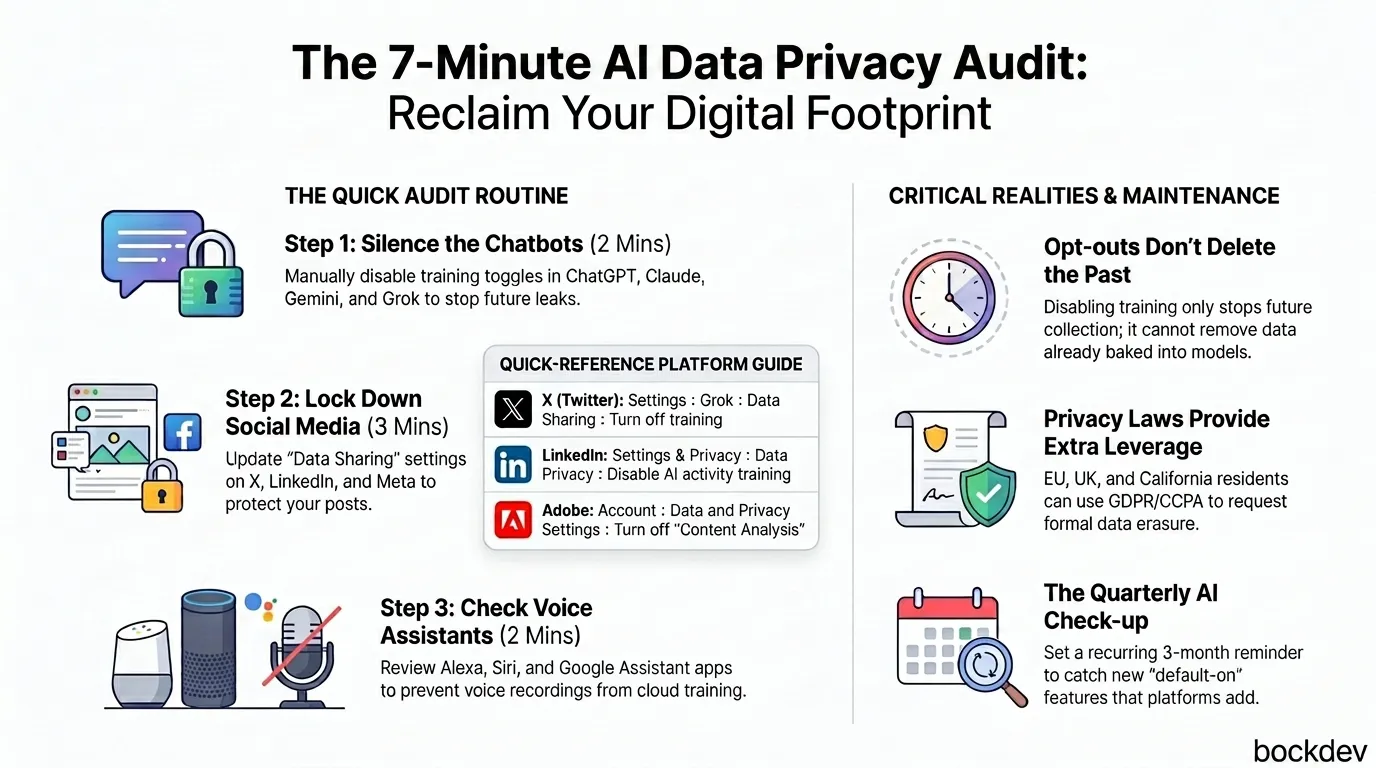
A 7-minute routine to find and limit how AI tools and platforms collect, store, and train on your personal data.
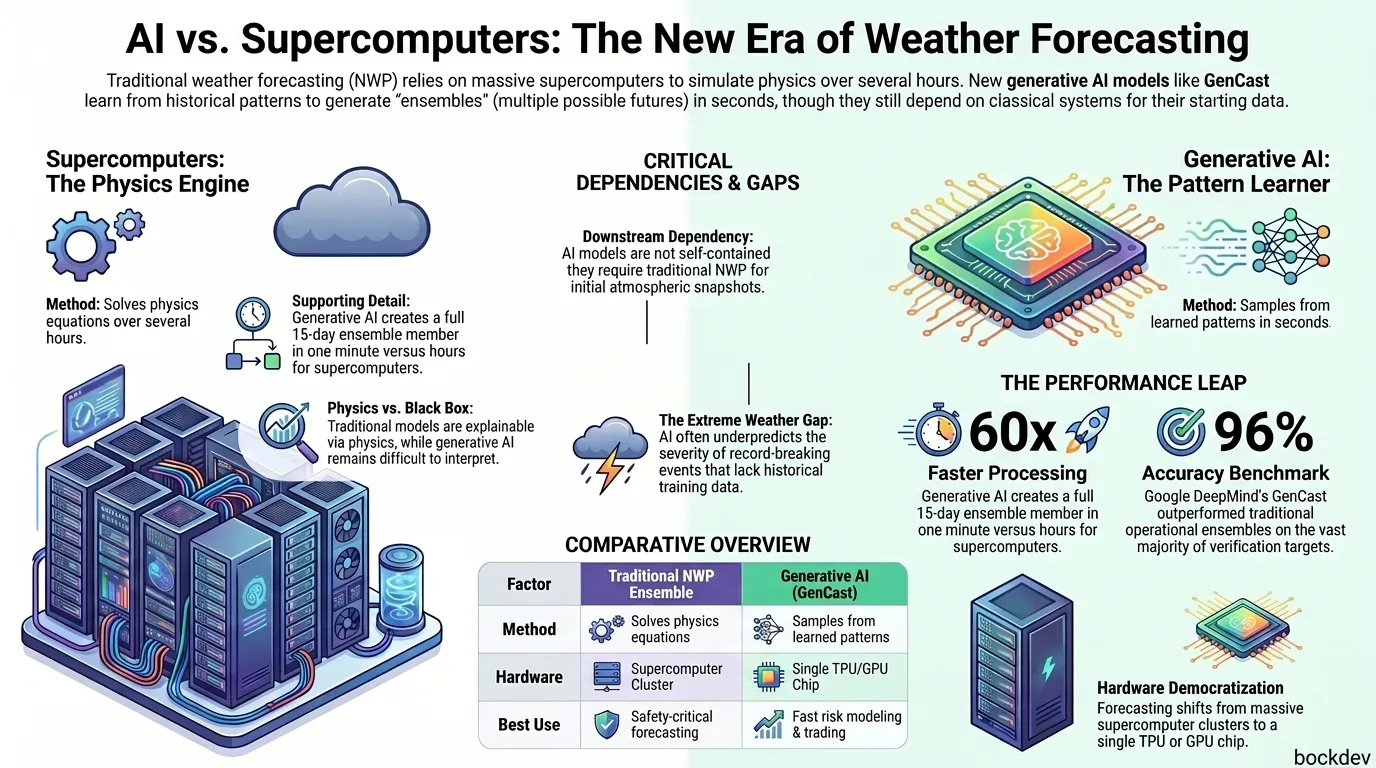
Generative AI models like GenCast now create weather ensembles in minutes instead of hours, changing how forecasts are built and used.
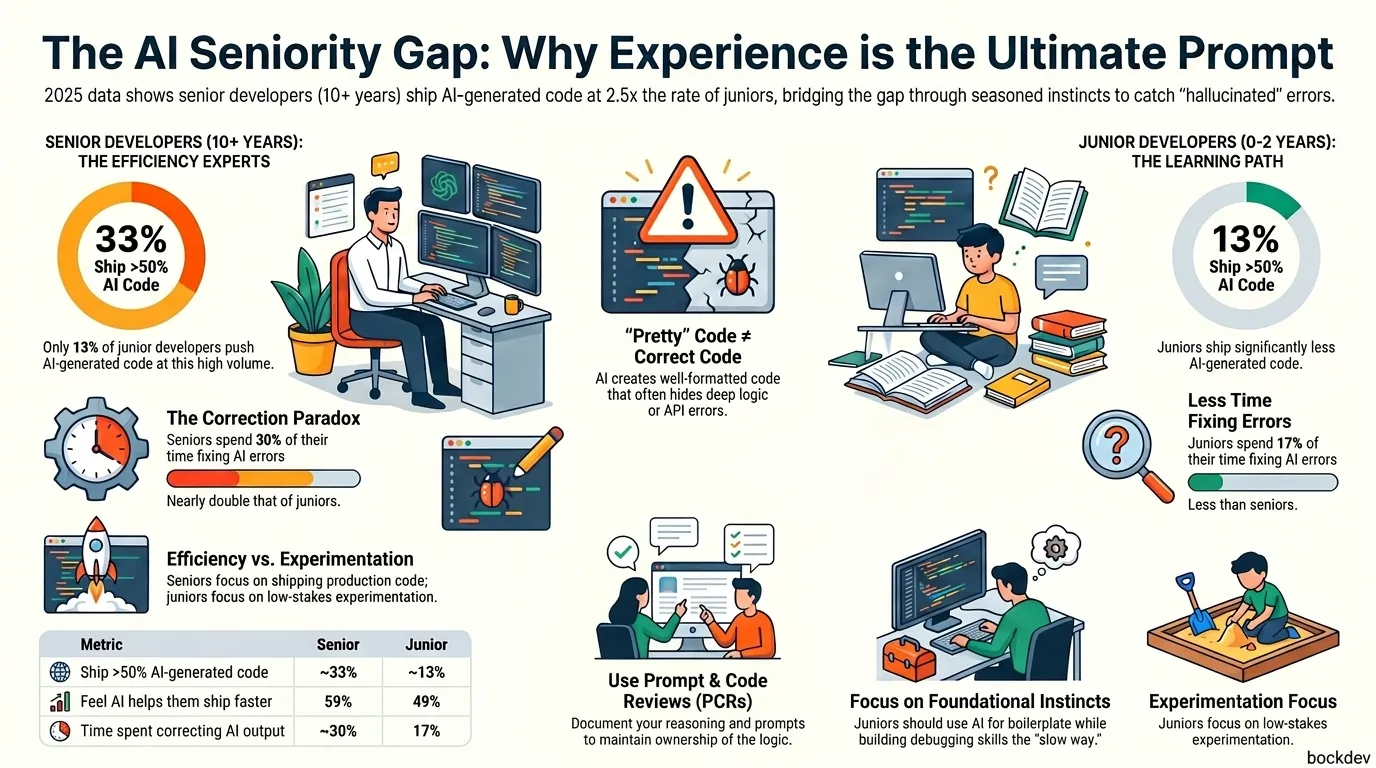
Senior developers ship more AI generated code than juniors. Here's the data, the reasons behind it, and what junior devs should do differently.