The Human-in-the-Loop Method: Using AI as a Creative Writing Partner
How writers use AI as a brainstorming partner for characters, worldbuilding, and writer's block, without letting it write the story for you.
AIWritingCreativity

Turn AI into a reliable worldbuilding partner for your fantasy novel with a world bible system, prompt templates, and tools that keep your lore consistent.

You have a magic system half-sketched in a notebook, three kingdoms with names that keep changing, and a protagonist whose backstory has been rewritten four times. Sound familiar? Most fantasy writers don't stall out because they lack imagination. They stall out because worldbuilding is a data problem wearing a costume made of dragons and prophecies.
Tracking bloodlines, political rivalries, currencies, calendars, and the rules of your magic system by hand is exhausting. Miss one detail and a reader catches it in chapter twelve: "Wait, didn't you say silver kills these creatures three chapters ago?" That single slip can break trust in your whole book.
This is where AI earns its keep. Not as a ghostwriter that invents your story for you, but as a tireless research assistant and consistency checker that remembers what you told it, asks good questions, and helps you stress-test your world before a reader ever does. Here's how to actually use it that way, with real templates you can copy today.
AI is not going to hand you a finished, original fantasy world. What it's genuinely good at is pattern recognition and rapid iteration: generating ten variations on a political structure, spotting a contradiction in your timeline, or turning a one-line idea into five fleshed-out options you can pick from.
Think of it less like a co-author and more like a research partner with instant recall. You bring the taste, the themes, and the final decisions. AI brings speed and memory.
A useful way to frame the split:
If you hand over the deciding, your world starts to feel generic, because the model is drawing on patterns from thousands of other fantasy stories. If you hand over the grunt work of tracking and expanding, you get your time back for the parts only you can do.
Before you build a workflow, it helps to know which tasks are a good fit.
AI is strong at:
AI struggles with:
That last point is the big one. A 2026 review found that general-purpose chatbots lose context across conversations, which makes consistency difficult for complex worlds. The fix isn't a smarter model. It's a better system for feeding your world back into the AI every time you use it.
The single highest-leverage thing you can do is create a structured reference document, often called a "world bible" or "story bible," and paste the relevant sections into every AI session. This solves the memory problem regardless of which tool you use.
Keep it tight. A sprawling 12,000-word bible is a common trap for unfinished projects, while a focused 2,000 to 4,000-word bible tends to correlate with finished ones. Past a certain length, AI tools that read your bible into every prompt start over-weighting the lore and under-weighting the actual scene you're trying to write.
Here's a template you can copy into a plain text or Markdown file:
# WORLD BIBLE: [Working Title]

## Premise (1-2 sentences)
A desert empire ruled by water-rights nobility, where magic is powered
by debts owed to the dead.

## Magic System (3-5 hard rules)
1. Spellcasting requires a "debt" paid in memory, time, or blood.
2. Debts cannot be forgiven, only transferred to another willing person.
3. The more powerful the spell, the more specific the debt must be.
4. No magic works within the salt flats surrounding the capital.
5. Debts left unpaid manifest as physical scars called "reckonings."

## Factions (2-3 sentences each)
- The Cistern Court: nobility who control water rights, publicly pious,
  privately corrupt.
- The Unbound: outlaws who refuse to pay magical debts, hunted by the Court.

## Settings (short atmosphere notes)
- Kharas-Adom (capital): white stone city built around a dry lakebed,
  smells of salt and lamp oil.

## Characters (name, one-line voice, one flaw)
- Senne Voss: sharp-tongued cistern engineer, refuses to ask for help.

## Calendar / Timeline
- The Reckoning War ended 40 years before story start.

## Lore Hooks (3-5 open threads)
- Who really caused the Reckoning War?
- What happens if every debt in the empire is called in at once?
Save that file, then start every AI session by pasting it in with an instruction like: "Here is my world bible. Treat every rule in the Magic System section as fixed. Flag anything I ask for that would contradict it."
Once your bible exists, here's a repeatable sequence that works with almost any AI chat tool.
Step 1: Seed with specifics, not genre labels.
Weak prompt: "Create a fantasy world."Strong prompt: "Create a desert civilization built around water-harvesting technology, where social status is determined by water allocation rights. Avoid default Western European medieval influences; draw on North African and Central Asian architecture and trade patterns instead."
The more specific and unusual your starting constraint, the less generic the output. This single habit does more for originality than any tool you'll pick.
Step 2: Generate options, not answers.
Give me 6 different explanations for why magic in my world requires
a "debt." For each, note one story implication and one way it could
create conflict between characters.
You're not asking AI to decide. You're asking it to widen the field so you can choose with more information.
Step 3: Stress-test for contradictions.
Here is my world bible: [paste].
Read it and list any internal contradictions, unclear rules, or
places where two factions' motivations seem to cancel each other out.
This is the single most useful recurring prompt in this whole workflow. Run it every time you add a major new element.
Step 4: Turn structure into sensory detail.
My protagonist enters Kharas-Adom for the first time. Using the
"salt and lamp oil" detail from my world bible, give me sight,
sound, smell, and texture details for this scene. Keep the tone
weary and suspicious, matching her character voice.
Step 5: Update the bible, not just the manuscript.
Whenever you invent something new mid-draft, whether it's a side character's grudge or a throwaway detail about currency, add one line to your bible file immediately. This is the step almost everyone skips, and it's the reason continuity errors creep in by chapter twenty.
Not every AI tool solves the same problem. Here's how the main categories stack up.
| Tool type | Best for | Memory across sessions | Cost | Weakness |
|---|---|---|---|---|
| General chatbots (ChatGPT, Claude, Gemini) | Fast brainstorming, answering "what if" questions | Weak unless you paste your bible each time | Free tier to ~$20/month | No built-in world tracking |
| Fiction-specific writing tools (Sudowrite, NovelAI, Novelcrafter) | Prose generation with built-in lore memory | Strong, via a story bible or codex feature | ~$10-44/month | Learning curve, subscription cost |
| Traditional wikis (World Anvil, Notion) | Long-term reference and organization | Excellent for storage, but doesn't feed into AI drafting automatically | Free to ~$10/month | Static; won't stop an AI chatbot from contradicting it mid-draft |
| AI image generators (Midjourney, DALL-E) | Visual reference for locations, characters, creatures | N/A | ~$10-60/month | Text description still needed for consistency |
A sensible starting stack for most fantasy writers: a general chatbot for brainstorming, a plain text world bible file (no subscription required), and an image generator only if you're a visual thinker who needs to see a place before you can write it.
Worldbuilding before you know your story. Traditional advice pushed writers to build the entire world before drafting a single scene. With AI in the mix, that habit gets dangerous, because it's very easy to generate an infinite amount of lore that never touches the page. Build what the story needs, then expand outward from there.
Accepting the first output. The first thing AI generates is almost always the most statistically common answer, which means it's the most generic one. Ask for five alternatives before you settle on anything important, especially names, magic rules, or political structures.
Skipping the contradiction check. A world bible you never re-read is just a longer way to forget things. Run the stress-test prompt from Step 3 every few chapters.
Letting AI write emotionally loaded scenes unsupervised. Description and lore generation are safe to lean on heavily. Grief, betrayal, and love scenes need your voice, because that's where a reader actually bonds with your book.
Ignoring the difference between a fantasy default and a deliberate choice. AI models tend to default to familiar medieval-European fantasy tropes unless you explicitly steer away from them. If you want your world to feel distinct, name the cultural influences you're drawing on in every major prompt.
This part matters more than most writers realize before they publish. Under current US law, purely AI-generated material cannot hold copyright, because copyright protection requires a human author who exercises creative control. Typing a prompt alone isn't enough to establish that authorship.
The practical takeaway isn't complicated: if you make the creative decisions, select and arrange the AI's suggestions, and substantially rewrite the output in your own words, your finished novel remains yours to copyright. If you paste in raw AI output and publish it unedited, the copyright status of those exact passages is murkier.
There's also an industry-side conversation happening about how AI companies train their models. Ongoing litigation over AI training data has produced mixed rulings on whether training on copyrighted books without permission qualifies as fair use, and the professional writing community has been vocal about wanting compensation and consent built into that process. None of this changes how you should use AI as a drafting partner, but it's worth knowing the landscape is still shifting, and worth checking your publisher's or platform's AI disclosure policy before you submit anything.
If your project grows past a single file, a simple folder structure keeps everything easy to find and easy to paste into a prompt when you need it.
my-fantasy-novel/
├── world-bible/
│   ├── 00-premise.md
│   ├── 01-magic-system.md
│   ├── 02-factions.md
│   ├── 03-settings.md
│   ├── 04-characters.md
│   ├── 05-timeline.md
│   └── 06-lore-hooks.md
├── manuscript/
│   ├── ch01-draft.md
│   ├── ch02-draft.md
│   └── ...
├── ai-sessions/
│   ├── brainstorm-magic-system.md
│   └── contradiction-checks.md
└── reference-images/
    ├── kharas-adom-skyline.png
    └── cistern-court-armor.png
Keep the world-bible files short and split by category. When you need AI's help with a scene, you only paste in the two or three files that are actually relevant, not your entire lore archive. That keeps the model focused and keeps your prompts fast to write.
None of this replaces craft. The writers who get real value from AI worldbuilding treat it as a foundation-layer tool: fast at generating options, reliable at tracking details you feed it, useless at knowing why your world matters to the story you're actually telling.
A 2026 survey of fiction authors found that only 42% use AI tools at all, and the most common uses were brainstorming, search, and finding the right phrase, not generating publishable prose outright. That lines up with what actually works: use AI to widen your options and catch your mistakes, then write the parts that need your specific voice yourself.
Start small. Write your premise, your magic rules, and three factions in a single page. Paste it into whatever AI tool you already have access to, ask it to poke holes in it, and see what comes back. That one exercise will tell you more about your world's weak points than months of solo notebook sketching.
1. Is it okay to use AI for worldbuilding if I plan to traditionally publish?
Most traditional publishers don't reject AI-assisted worldbuilding outright, but many now require disclosure and set limits on how much of the final prose can be AI-generated. Check your target publisher's submission guidelines before you submit, since policies vary by imprint.
2. Will using AI make my fantasy world feel generic?
It can, if you accept the first output and don't specify unusual influences. Giving the AI specific, unfamiliar constraints (a particular real-world culture, an unusual magic cost, a non-standard political structure) produces far less generic results than a vague prompt like "build me a fantasy world."
3. Do I need a paid tool, or is a free chatbot enough?
A free-tier chatbot plus a simple text-based world bible you paste in each session covers most of what a beginner needs. Paid, fiction-specific tools become worth it once you're managing a long series and want the lore memory built in automatically rather than pasted manually.
4. How much worldbuilding should I do before I start drafting?
Build only what your first act needs: your premise, your protagonist's immediate world, and the rules that will matter in the opening chapters. Expand outward as the story requires it. Building an entire encyclopedia before writing page one is one of the most common reasons fantasy projects stall out.
5. Can I copyright a novel I wrote with AI's help?
Yes, as long as you're the one making the creative decisions, selecting and revising the output, and the final expression is substantially yours. Purely AI-generated text without meaningful human authorship isn't eligible for copyright protection under current US law.
Tags
How writers use AI as a brainstorming partner for characters, worldbuilding, and writer's block, without letting it write the story for you.
AI hallucinations happen when models generate confident but false answers. Here's why it occurs and how to spot and reduce it.

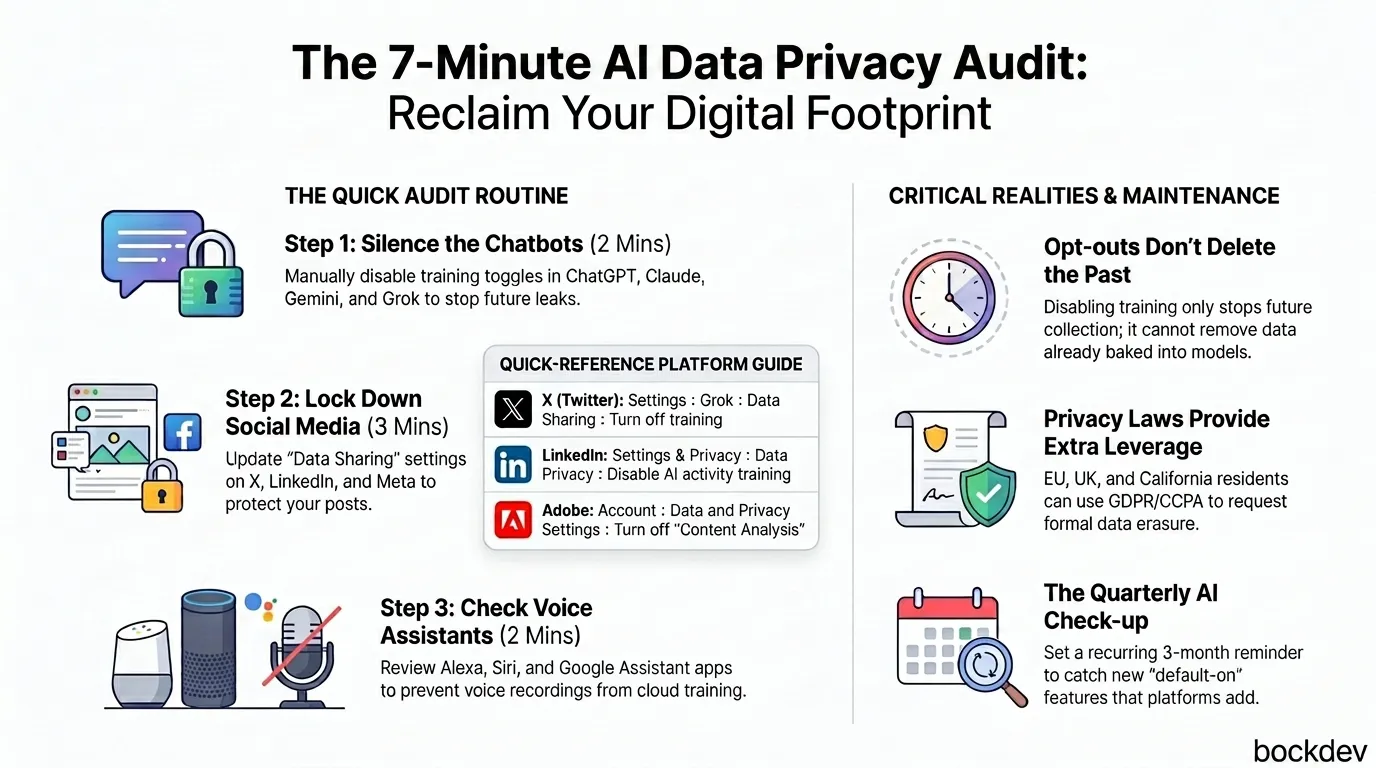
A 7-minute routine to find and limit how AI tools and platforms collect, store, and train on your personal data.
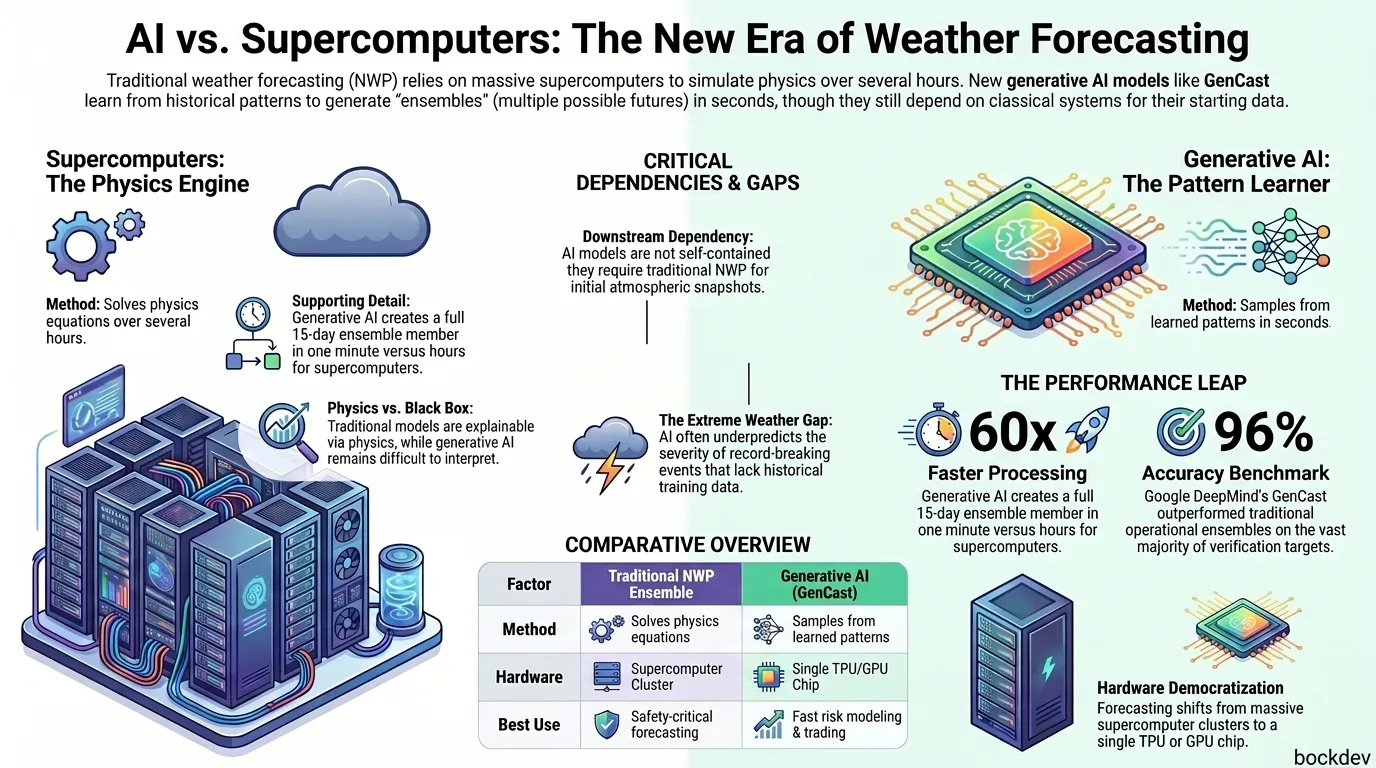
Generative AI models like GenCast now create weather ensembles in minutes instead of hours, changing how forecasts are built and used.
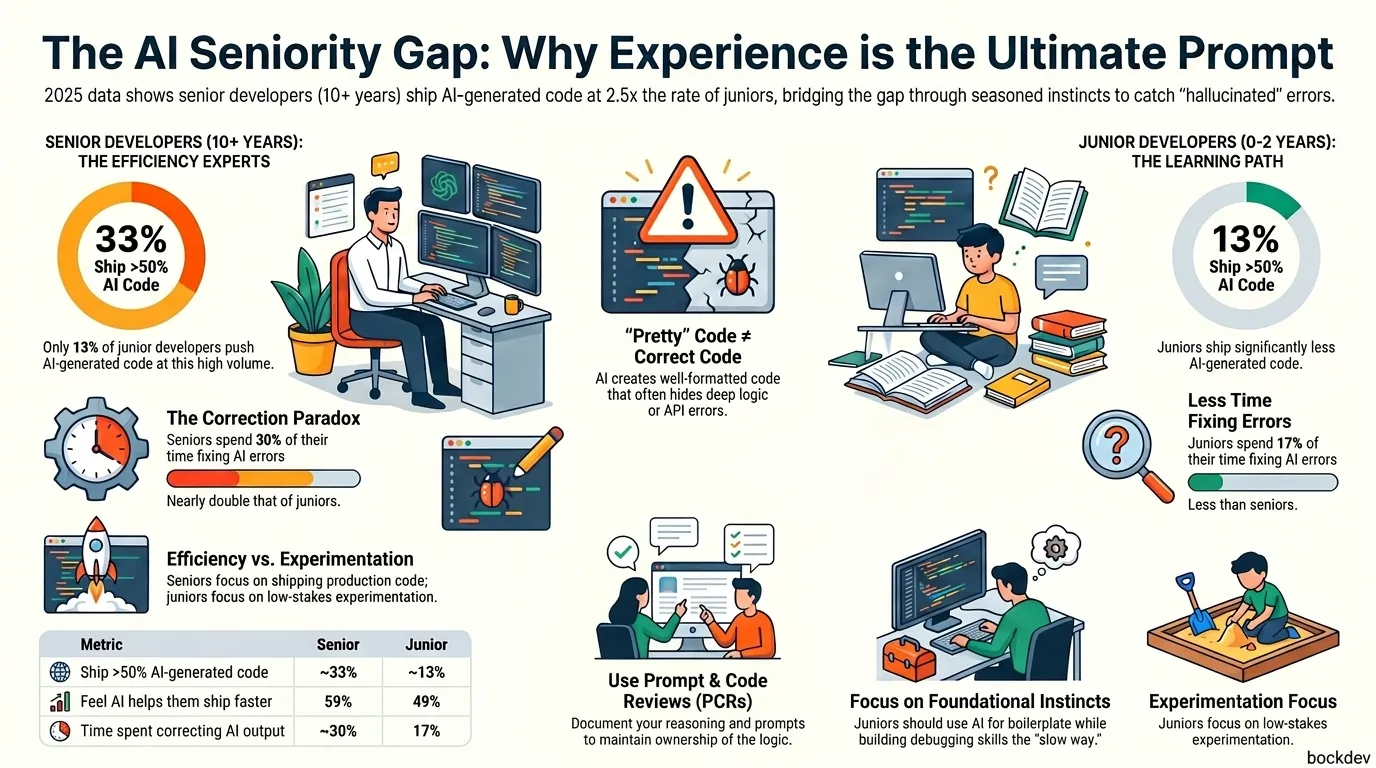
Senior developers ship more AI generated code than juniors. Here's the data, the reasons behind it, and what junior devs should do differently.